ZENITH PRIMARY, SECONDARY, & JC CRASH COURSES ARE NOW OPEN. SLOTS ARE LIMITED!

ZENITH PRIMARY, SECONDARY, & JC CRASH COURSE ARE NOW OPEN. SLOTS ARE LIMITED!

ZENITH PRIMARY, SECONDARY, & JC CRASH COURSE ARE NOW OPEN. SLOTS ARE LIMITED!

ZENITH J1 DOUBLE TRIAL CLASSES ARE NOW OPEN. SLOTS ARE LIMITED!

ZENITH J1 DOUBLE TRIAL CLASSES ARE NOW OPEN. SLOTS ARE LIMITED!

PSLE Oral Questions (2026): Past Questions & Study Guide

Ace the 2026 PSLE Oral Examination

With the 2026 PSLE Oral examinations set to take place on 12 – 13 August (Wed – Thurs), now is the perfect time to start your child’s preparations and build their speaking confidence.

On this page, both parents and students will find handy resources to help support their PSLE learning experience. This includes a compilation of past-year papers going back to 2015, the latest changes to the syllabus, and what that means for your child, as well as a study guide on how to strategise for different components of the oral exam.

A smiling student with black hair, wearing a red tinted glasses
A student with curly hair
A smiling student with short black hair
A smiling student with short black hair, wearing glasses

Trusted by over 20,000 students

Product Dashboard
Ananya has enjoyed herself thoroughly in Zenith classes for both English and Math. In English, especially, she improved from AL3 to AL1 under Ms. Gladys’ tutelage, who built a friendly relationship with the class and made lessons very enjoyable.

Geetha (Ananya’s Parent): AL3 to AL1

PSLE Past Year Questions (2015-2025)

Year 2025

Day 1: Photo of people queuing outside a shopping mall for an ice cream stall.

Stimulus-Based Conversation

  1. Is this a good place to sell ice cream? Why / Why not?
  2. Would you be willing to join a long queue for something? Why / Why not? 
  3. Do you think people in Singapore are orderly? Why / Why not?

Day 2: A picture of a hawker centre with people dining

Stimulus-Based Conversation

  1. Why do you think the people chose to eat at this hawker centre?
  2. Do you prefer to eat home-cooked or buy food from outside? Why?
  3. Do you think children should learn how to cook? Why / Why not? 

Year 2024

Day 1: Poster on the opening of a park.
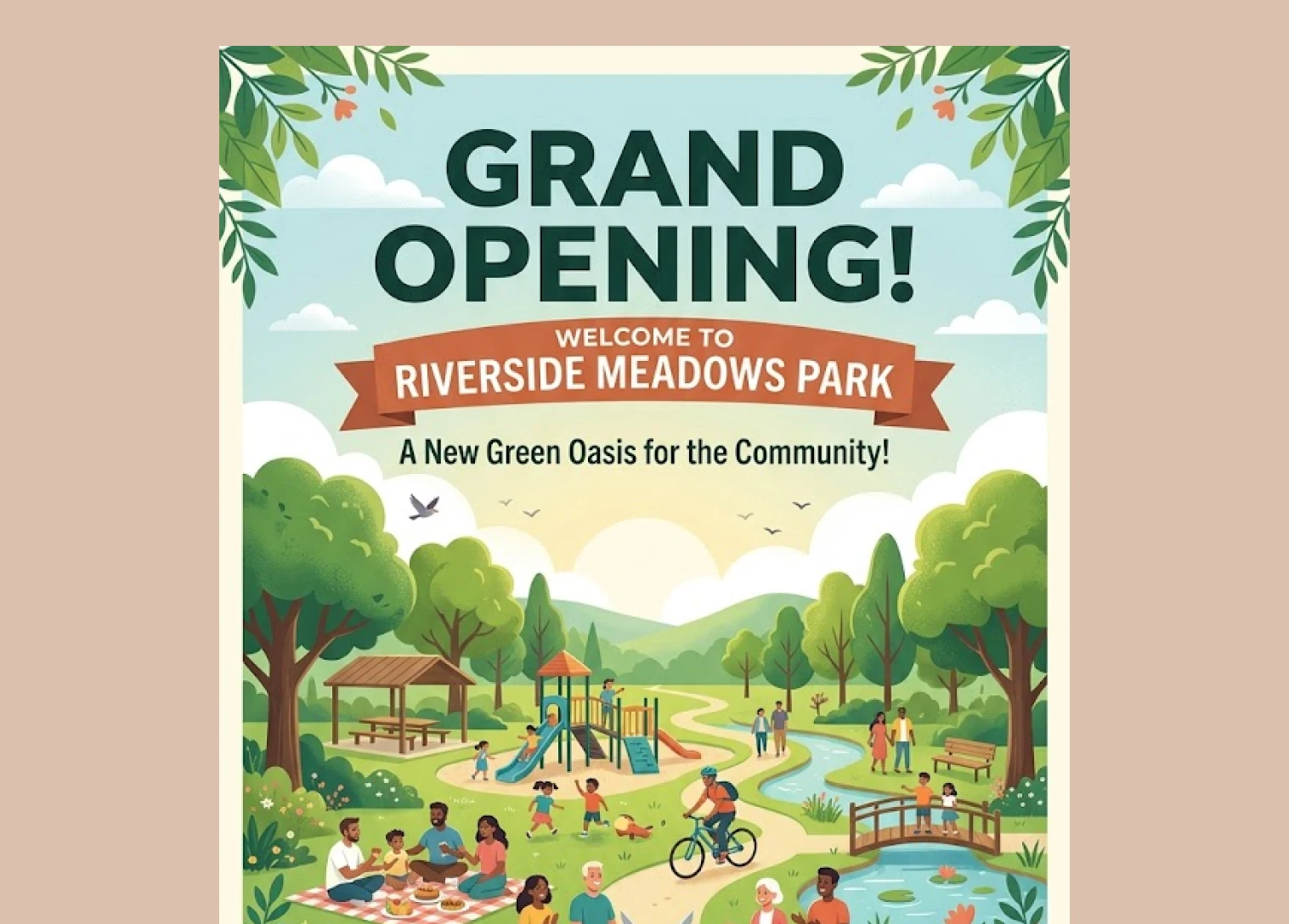
Stimulus-Based Conversation

  1. Would you be interested in visiting this park? Why or why not?
  2. What should we take note of when we are in public places? (e.g. void decks, parks, etc)

Day 2: Picture showing a poster of appreciation activities to sign up for.
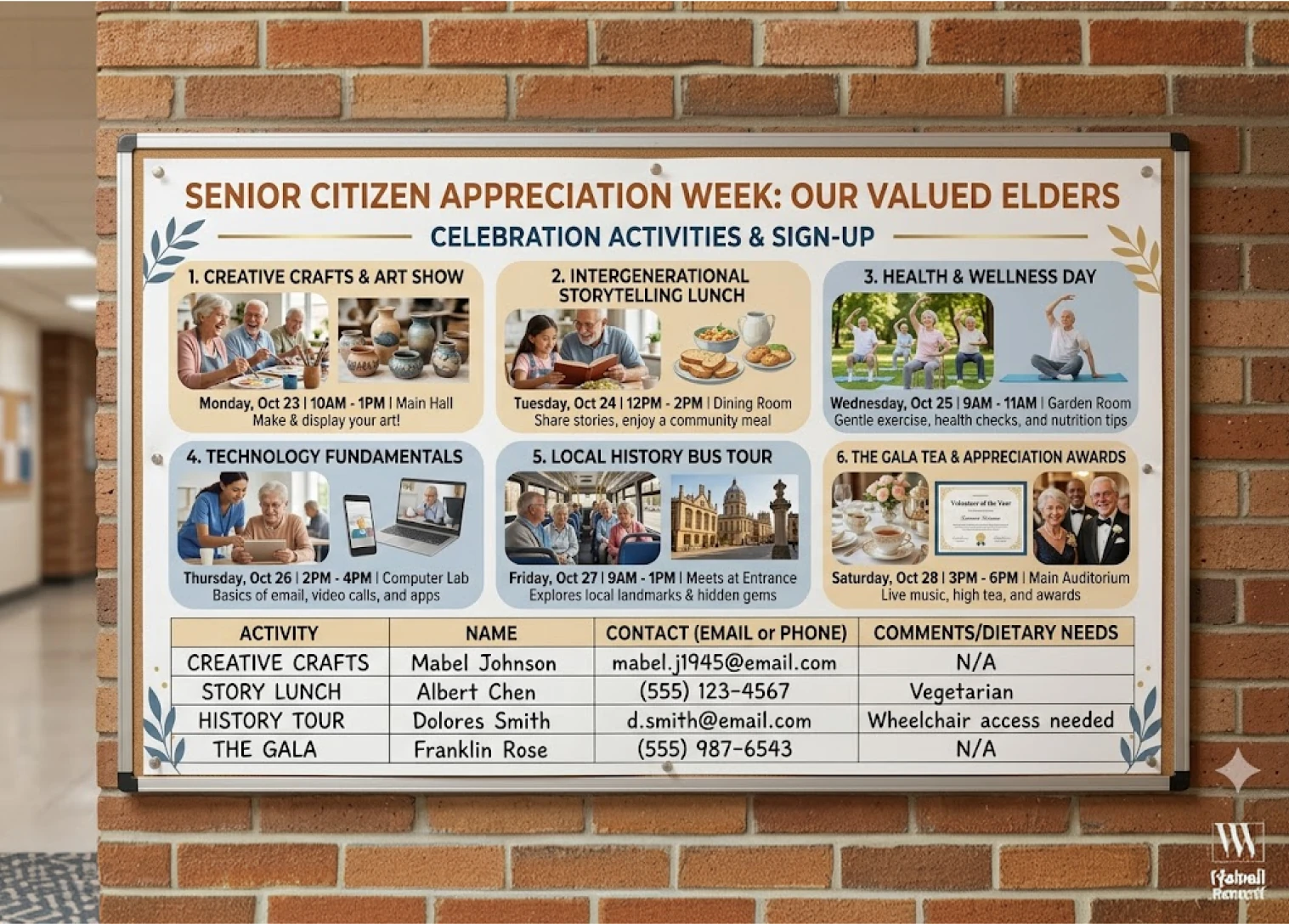
Stimulus-Based Conversation

  1. Why do you think the people chose to eat at this hawker centre?
  2. Do you prefer to eat home-cooked or buy food from outside? Why?
  3. Do you think children should learn how to cook? Why / Why not? 

Year 2023

Day 1: Poster on a science exhibition at the science centre.
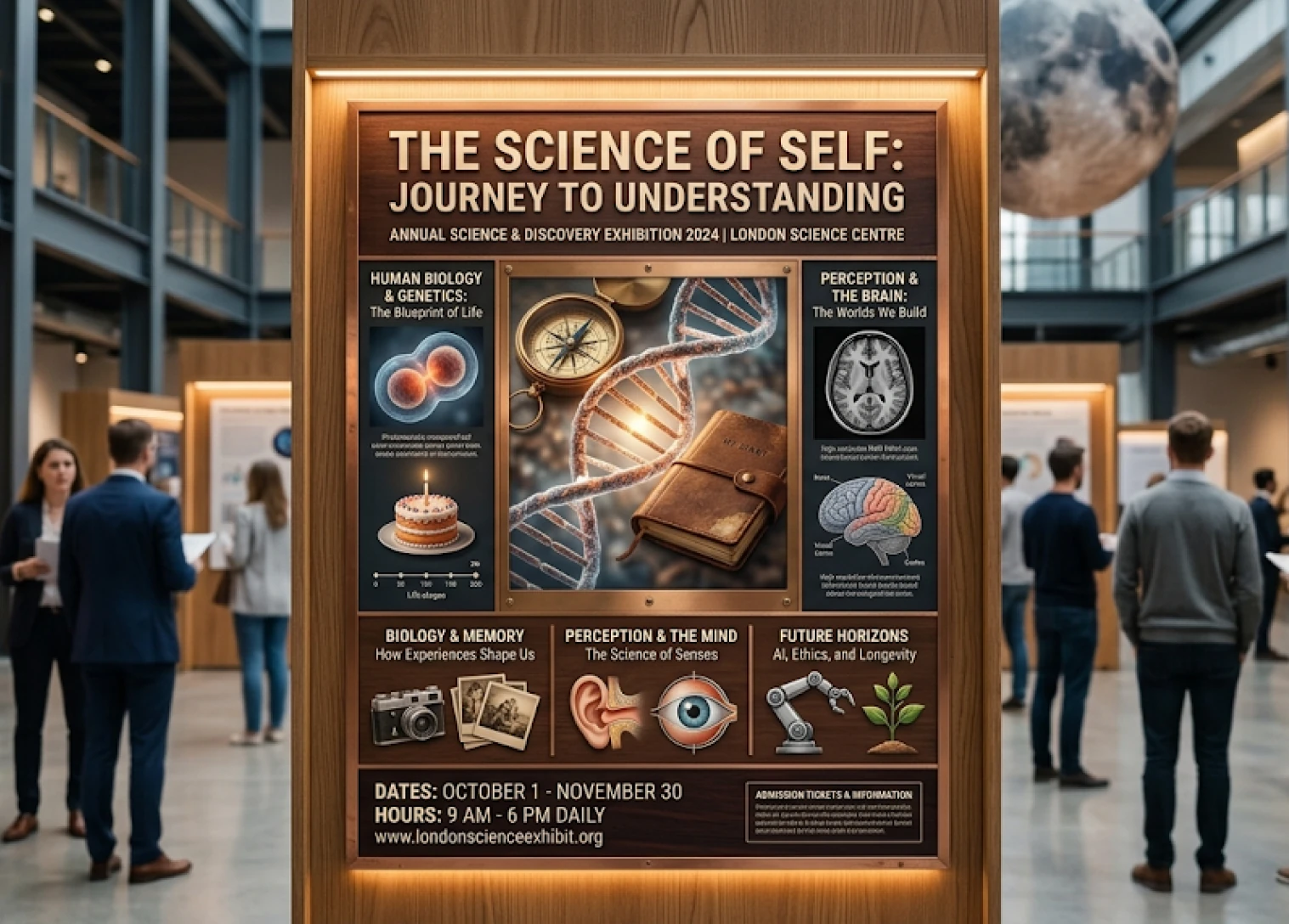
Stimulus-Based Conversation

  1. Tell us about a place of interest in Singapore that you have visited or would like to visit.
  2. Do you think the school holidays are long enough? Why, or why not?

Day 2: Picture showing a girl writing in her diary, with a slice of cake, a birthday card, a soft toy, and her family photo on her table.

Stimulus-Based Conversation

  1. Tell us about an item you treasure. Why do you treasure it?
  2. Do you like to take photographs to remember your experiences? Why, or why not?

Year 2022

Day 1: Poster on recycling old sports shoes.
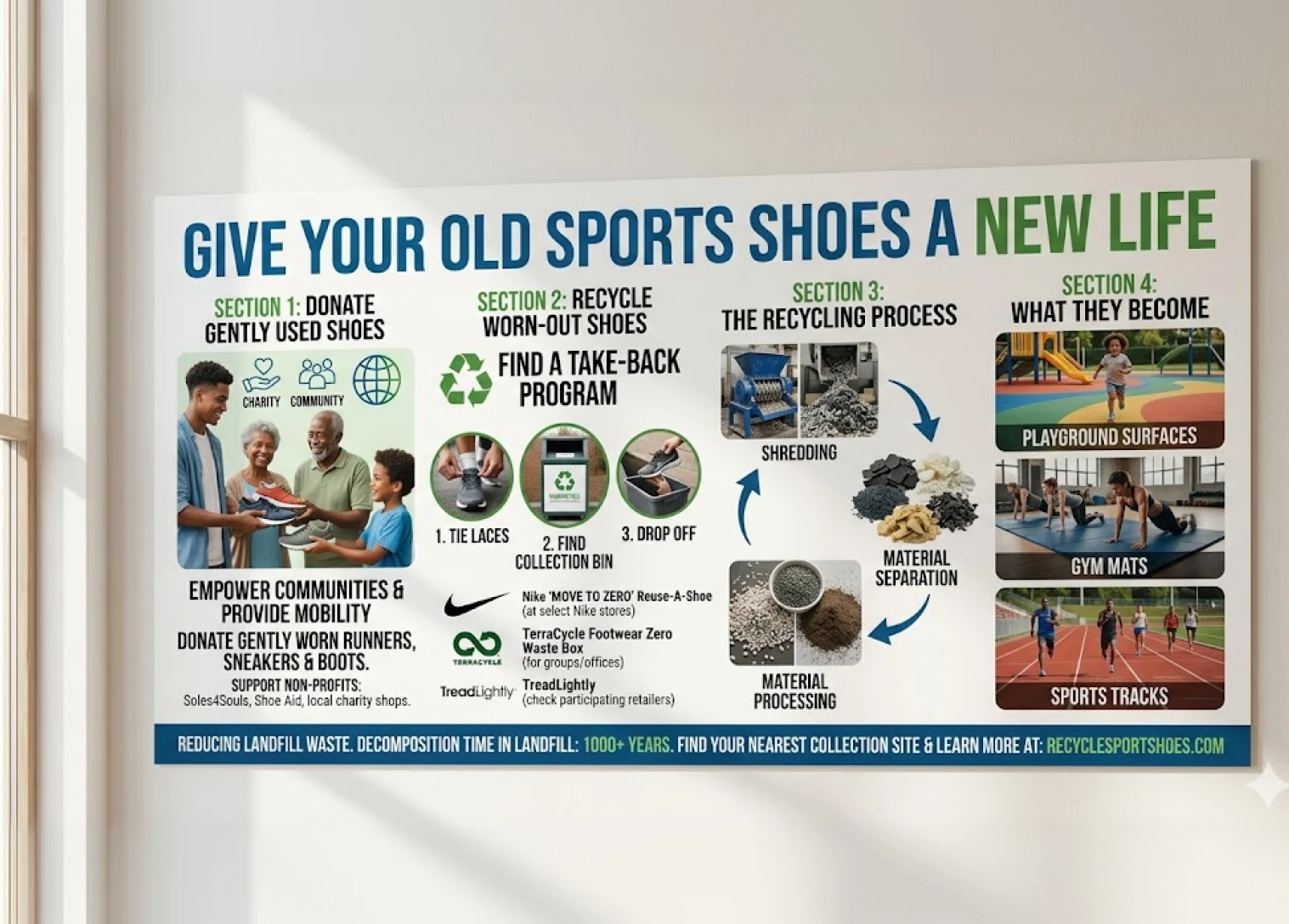
Stimulus-Based Conversation

  1. Besides shoes, what kinds of things can you donate or recycle? Why?
  2. Do you think it is important to take care of the environment? Why, or why not?

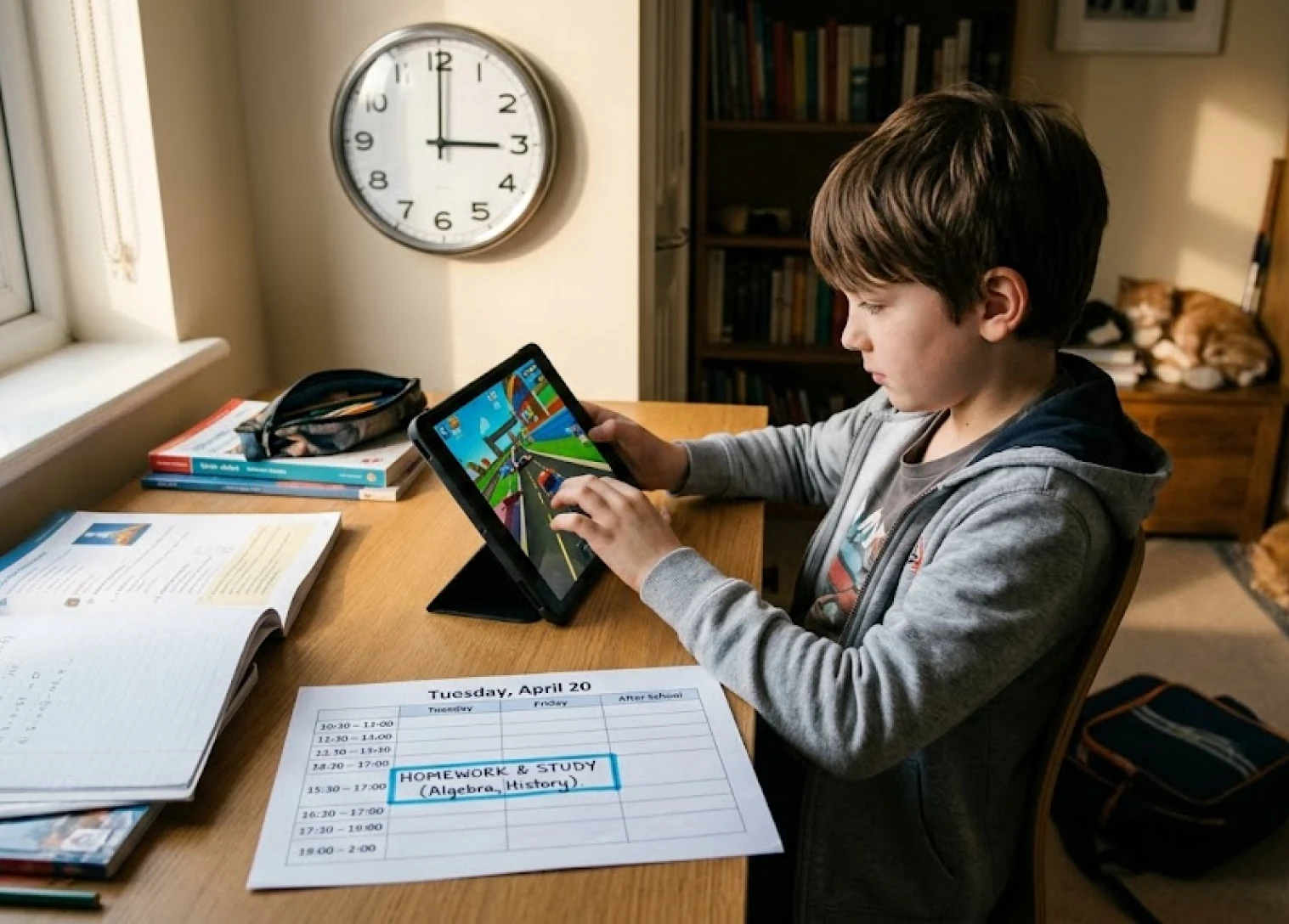
Day 2: Picture showing a boy playing games on his tablet at 3.30 PM, with his timetable stating he should be doing homework at this time.
Stimulus-Based Conversation

  1. Do you like using electronic devices for your learning? Why, or why not?
  2. What should students be careful about when they use electronic devices?

Year 2021

Day 1: Picture showing a girl fast asleep at 6 AM, with her alarm clock ringing and a note reminding her of her competition at 6 AM.

Stimulus-Based Conversation

  1. If you could choose, what time would you like school to start and end? Why?
  2. Do you get enough sleep every night? Why, or why not?

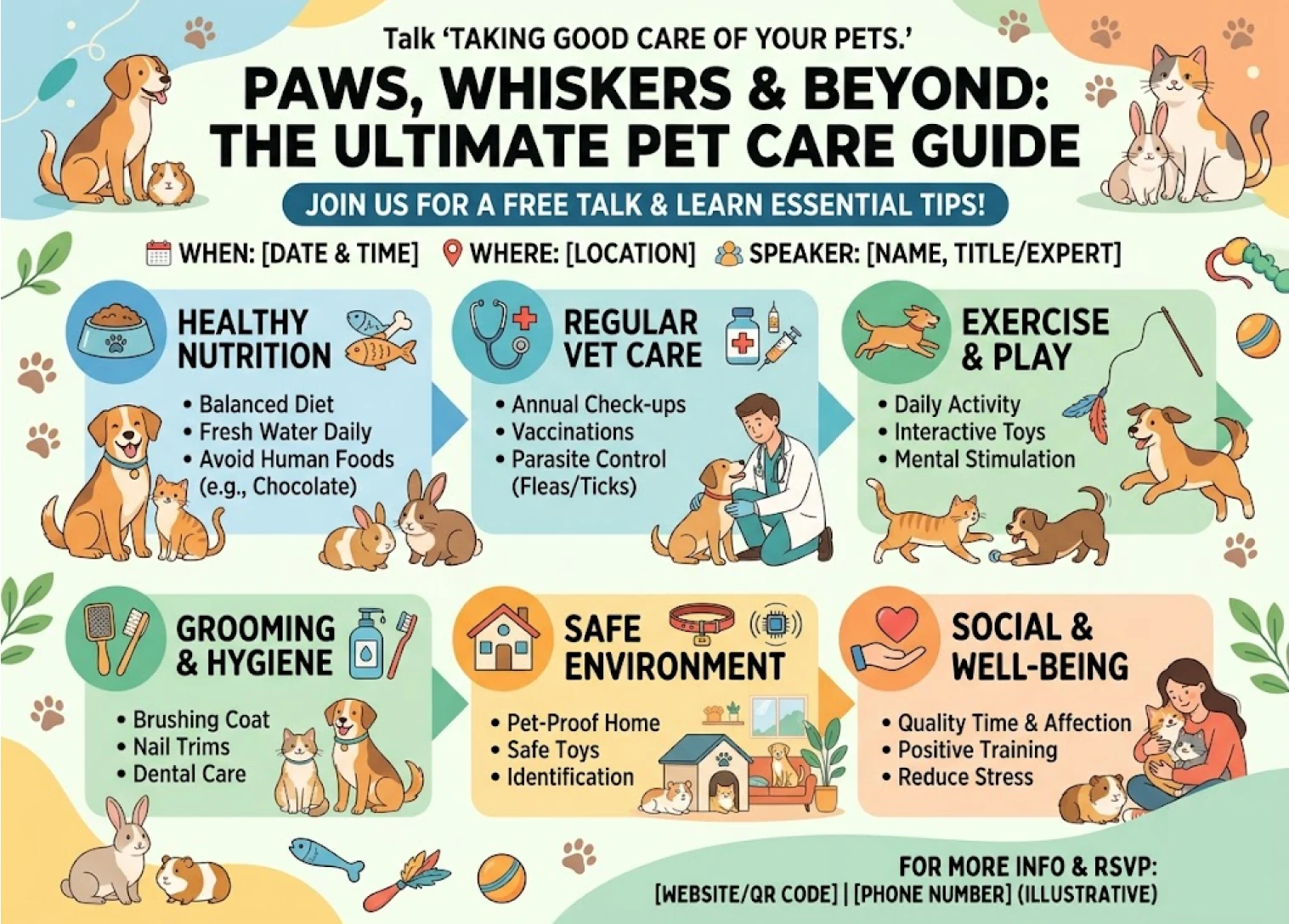
Day 2: Poster on a talk on how to take good care of pets.
Stimulus-Based Conversation

  1. Do you think listening to a talk is an effective way to learn? Why, or why not?
  2. Attending talks is one way to learn. What do you think about doing projects as another way to learn?

Year 2020

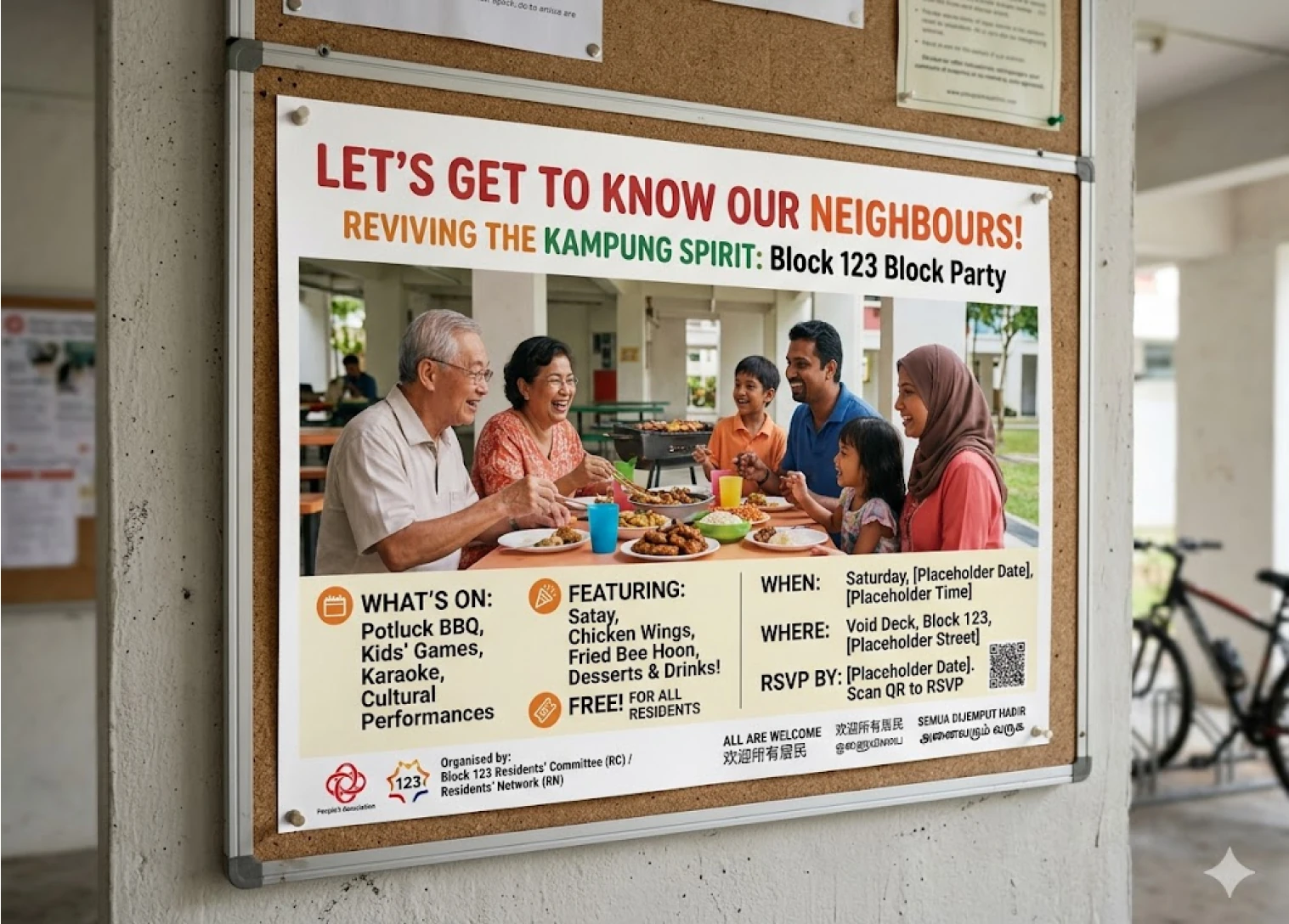
Day 1: Poster inviting residents to a party to get to know their neighbours.
Stimulus-Based Conversation

  1. What do you like about your neighbourhood?
  2. What does being a good neighbour mean to you?

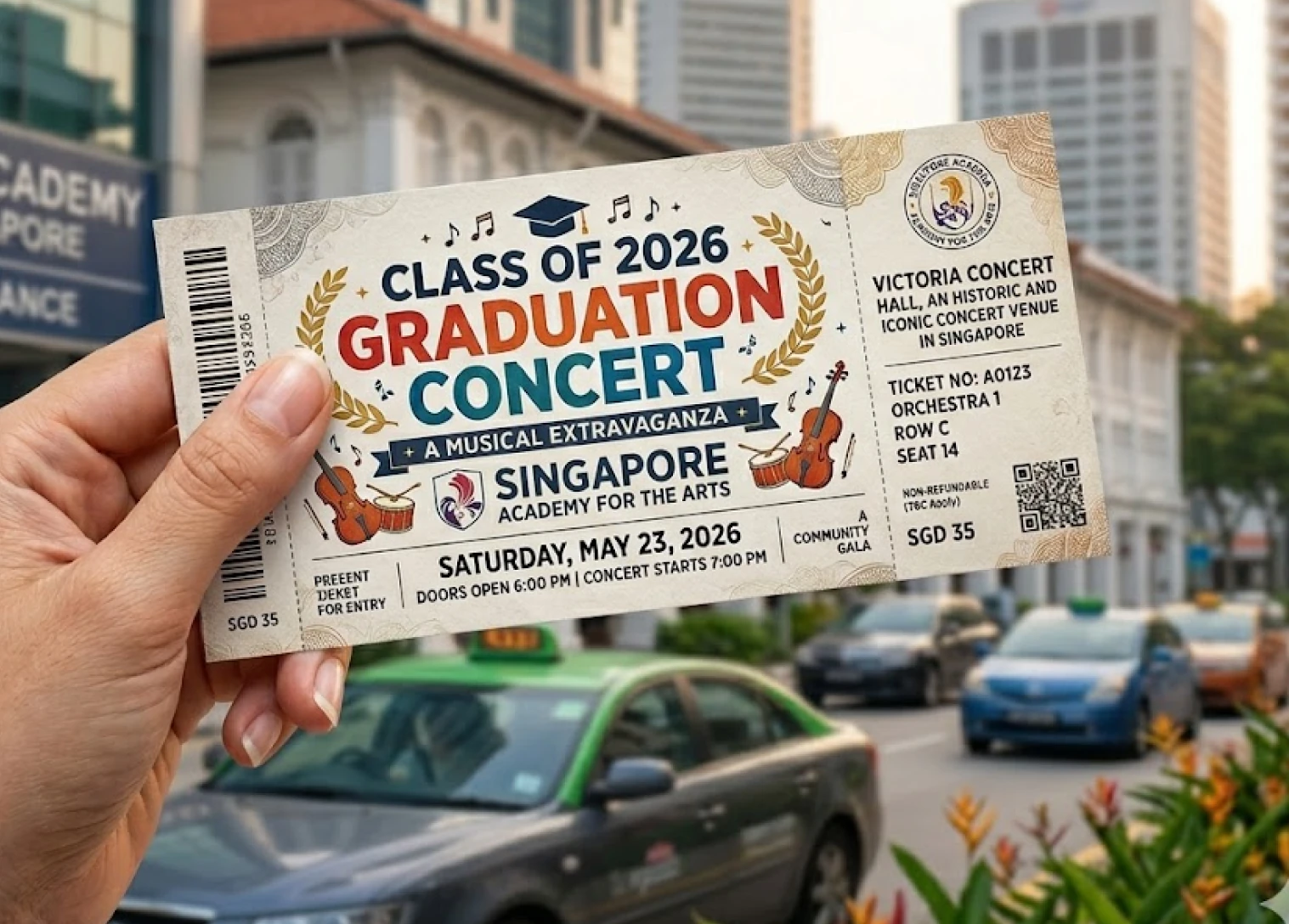
Day 2: Ticket to a school’s graduation concert.
Stimulus-Based Conversation

  1. Would you prefer being a performer onstage or helping out backstage with the lights, props, and costumes? Why?
  2. Tell us about a performance you once watched.

Year 2019

Day 1: Picture of a bookshelf in a library, with some book recommendations.

Stimulus-Based Conversation

  1. Do you visit your school library often? Why, or why not?
  2. Would you prefer listening to stories or reading stories? Why?

Day 2: Poster pasted on the door of a computer lab, reminding students of what they need to do before leaving the lab.
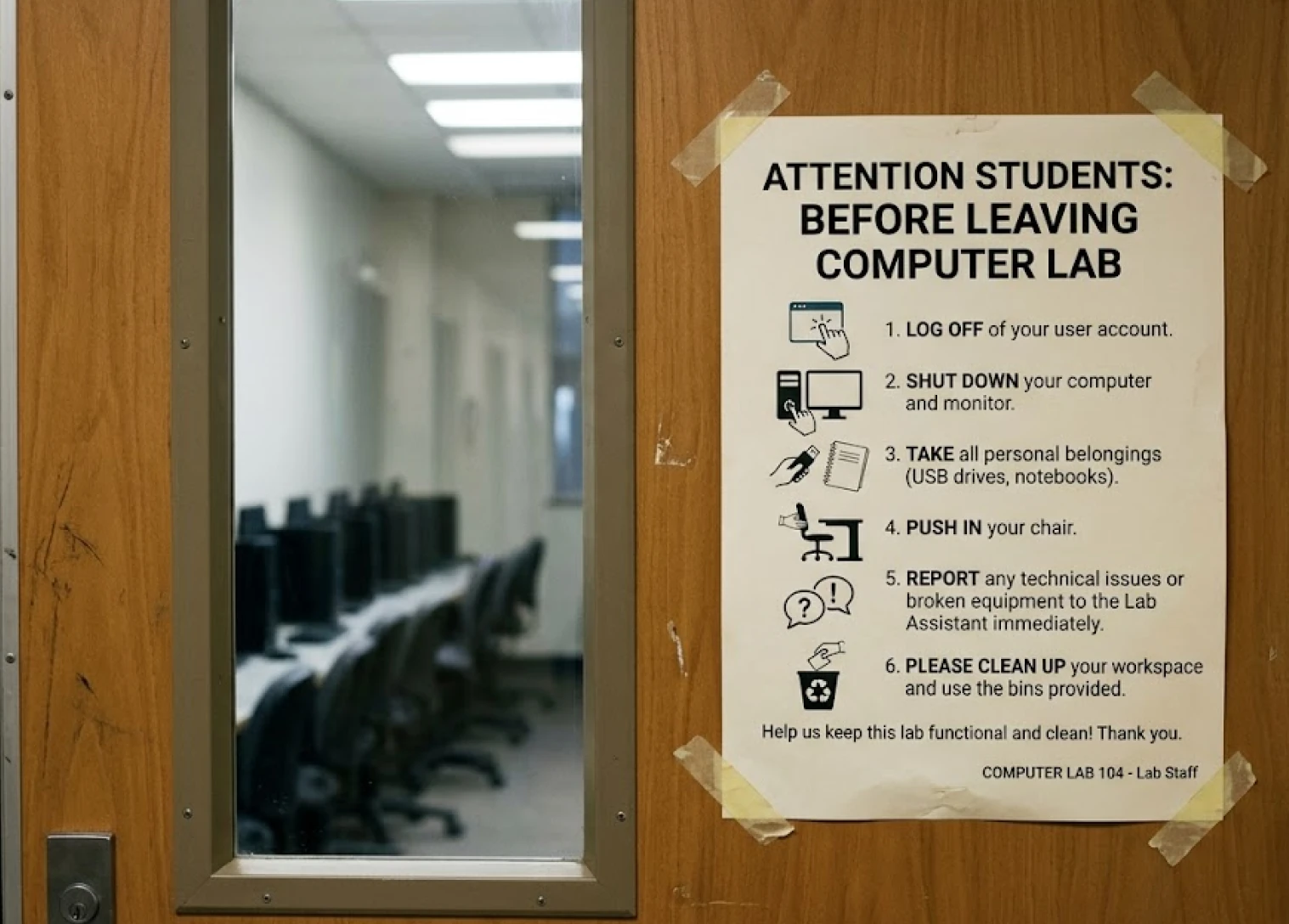
Stimulus-Based Conversation

  1. Was there a time you lost or forgot something? Tell us about it.
  2. How would you help a friend or family member who tends to be forgetful?

Year 2018

Day 1: Banner of a secondary school, calling for primary school students to join them.

Stimulus-Based Conversation

  1. What would you consider when choosing a school?
  2. How would you try to make friends in a new school?

Day 2: Poster calling for students to sign up for a speech contest.
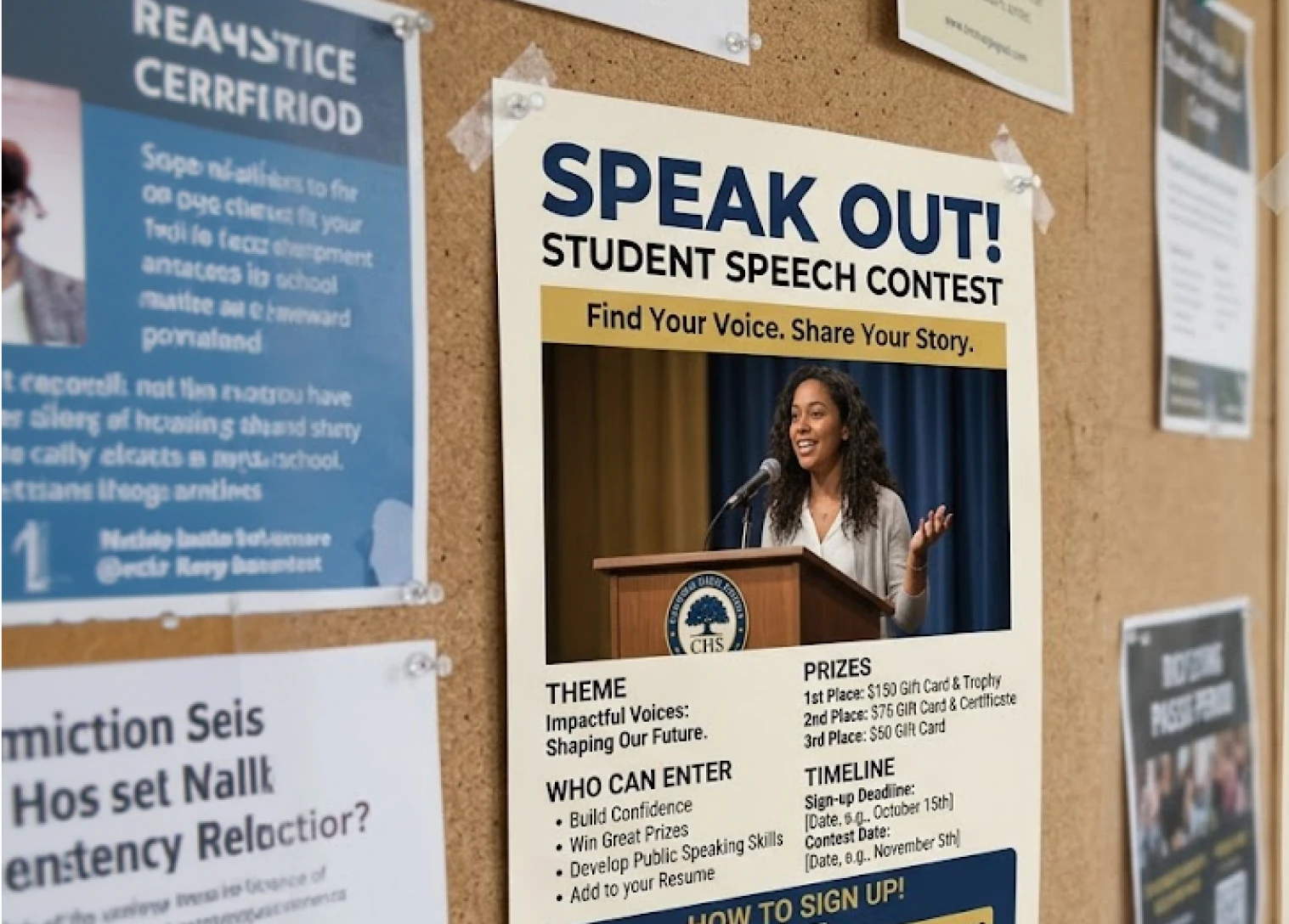
Stimulus-Based Conversation

  1. Tell us about a time you watched or gave a presentation.
  2. If you had to, would you prefer making a speech to strangers or to people you know? Why?

Year 2017

Day 1: Poster calling for submission of poems for Teachers’ Day.
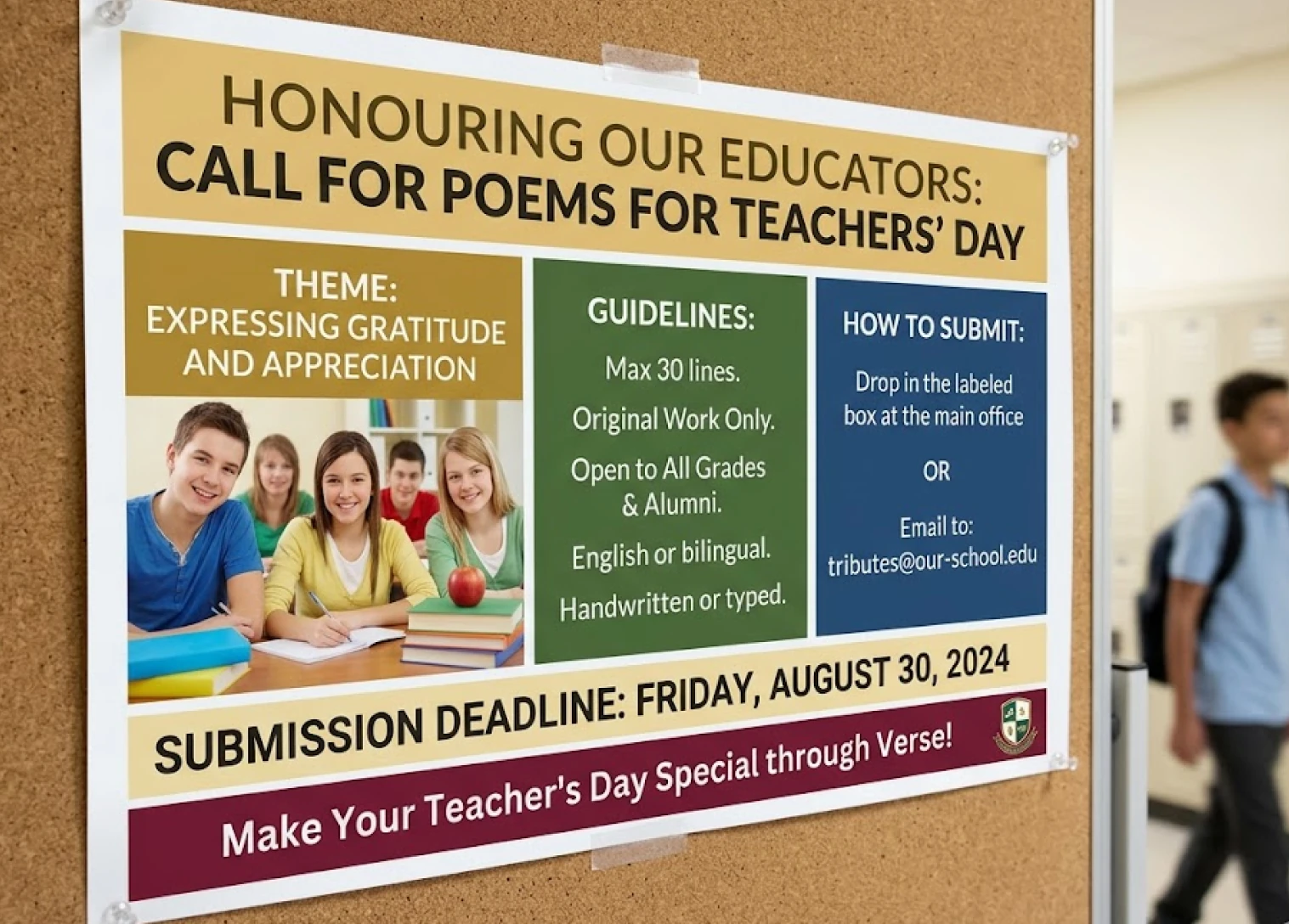
Stimulus-Based Conversation

  1. How does your school celebrate Teachers’ Day?
  2. Other than your teachers, who else would you like to show appreciation to, and why?

Day 2: Poster on Cleanest Classroom Contest.
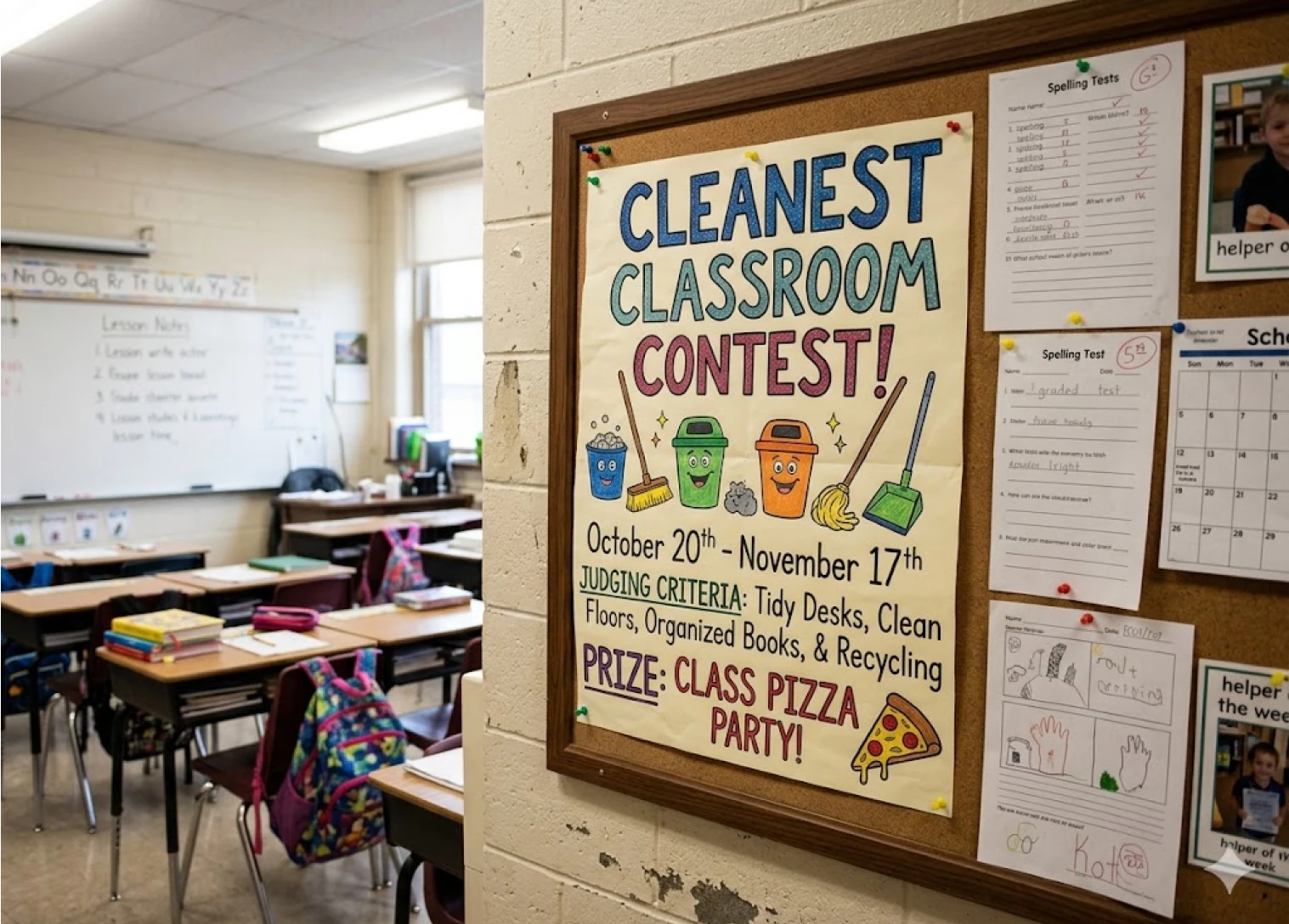
Stimulus-Based Conversation

  1. How does your school encourage pupils to keep their classrooms clean?
  2. Do you think the cleaners in your school have an easy job? Why, or why not?

Year 2016

Day 1: Poster calling for nominations for the Supportive Friend Award.
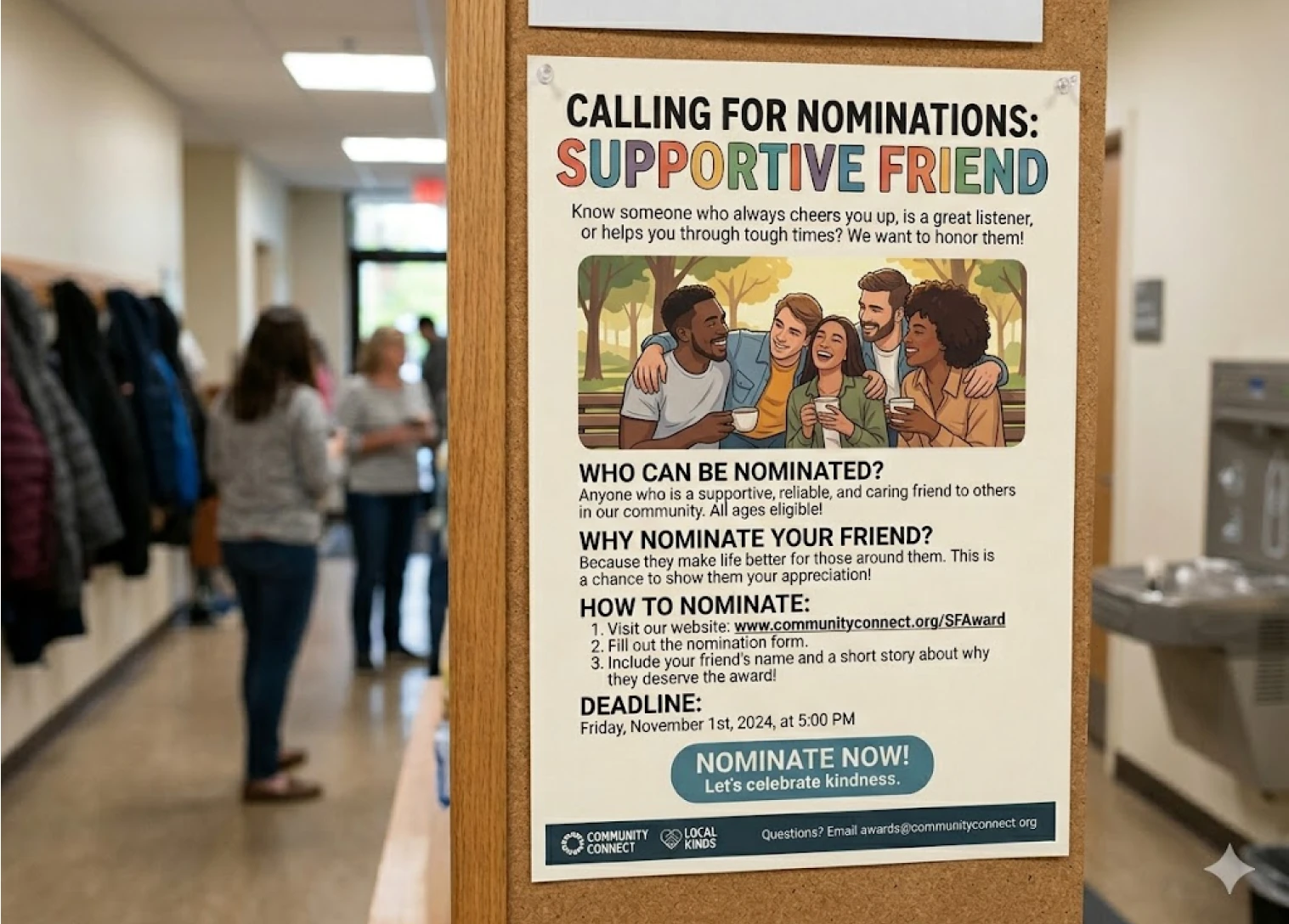
Stimulus-Based Conversation

  1. Do you like making new friends? Why, or why not?
  2. Do you like to be a buddy to a younger pupil? Why, or why not?

Day 2: Poster on Junior Baking Fun, a baking activity.
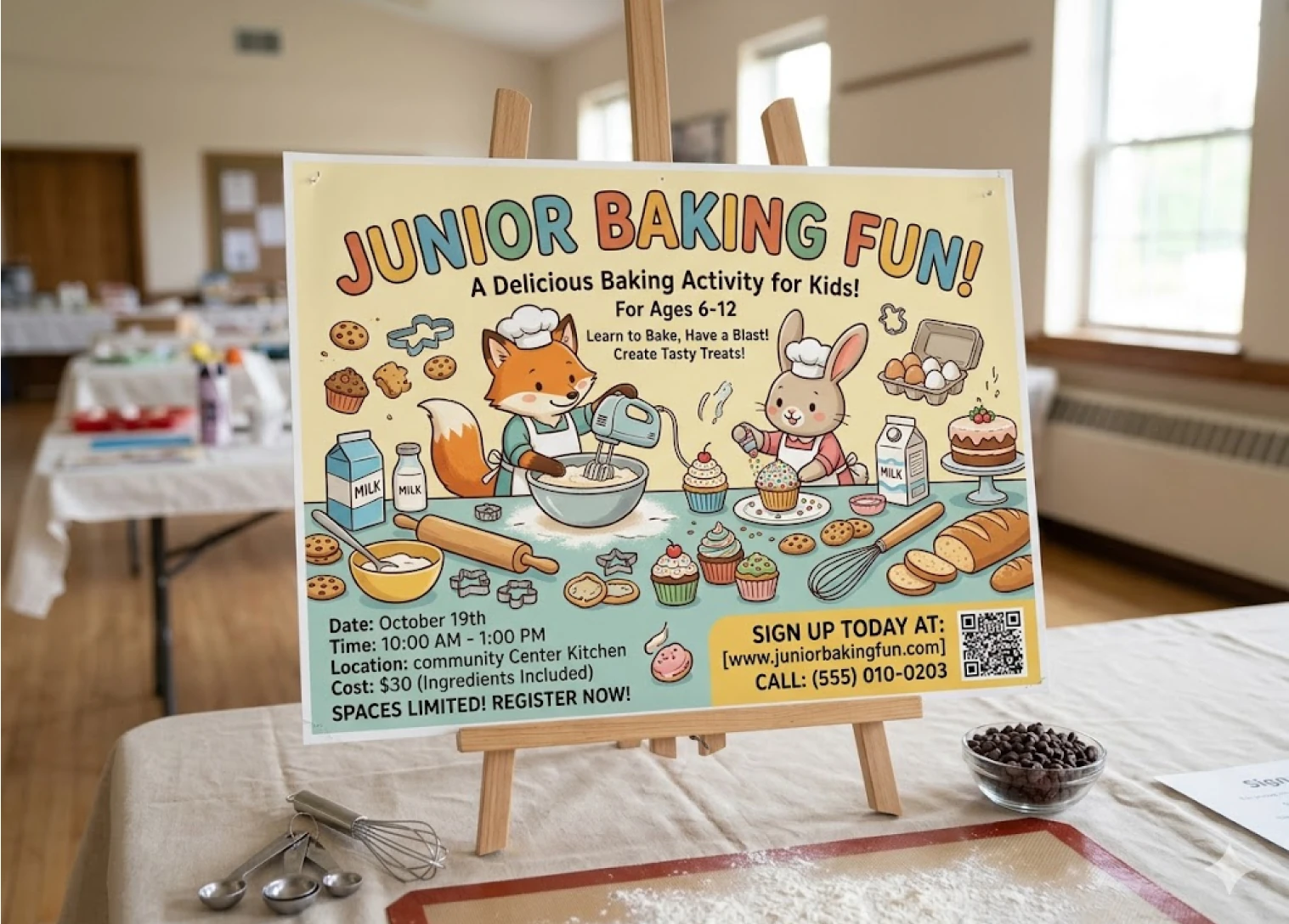
Stimulus-Based Conversation

  1. What do you usually eat during recess and why?
  2. Do you think you have good eating habits? Why do you say so?

Year 2015

Day 1:  Poster on Spin-A-Tale Sundays, a reading activity.
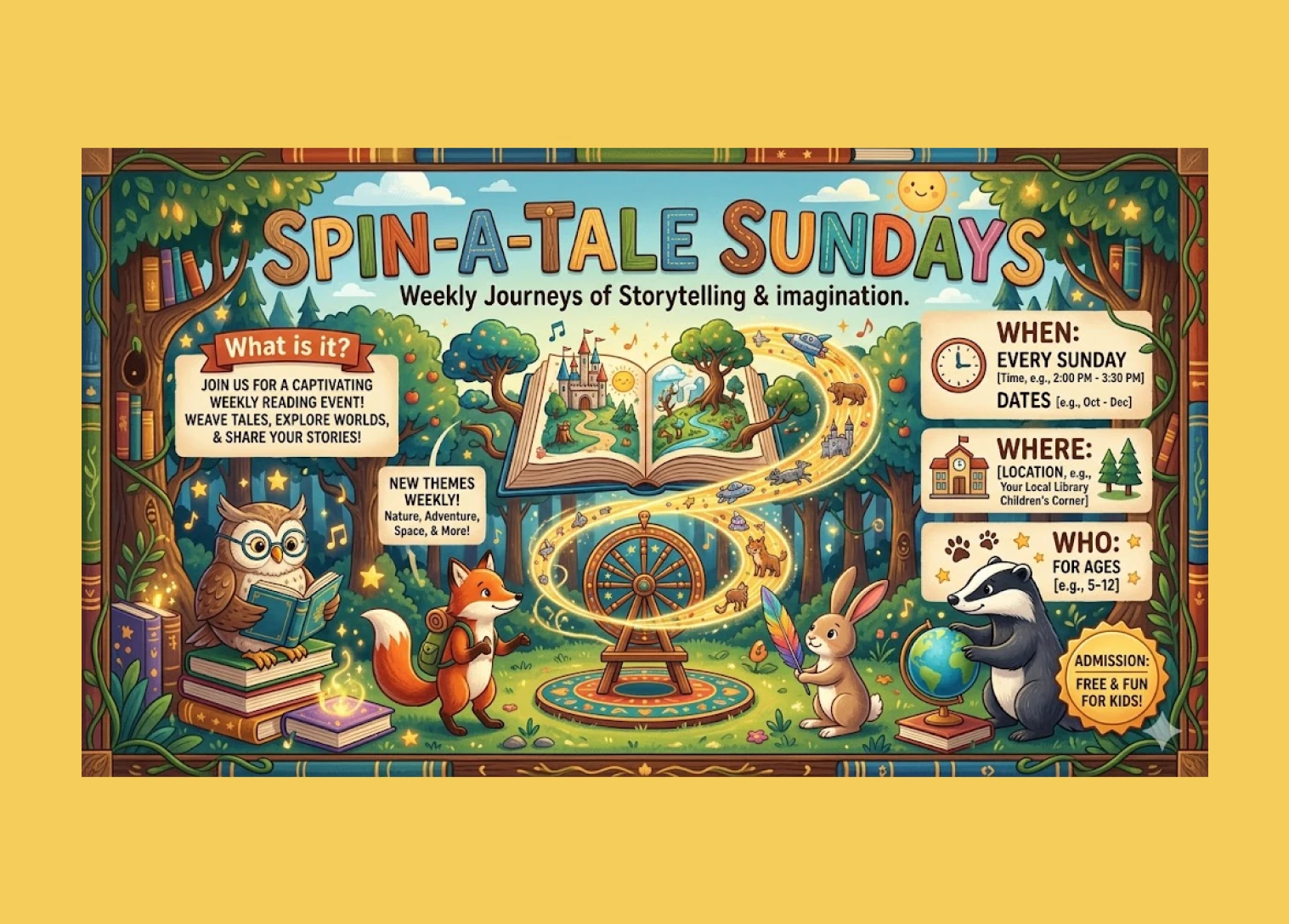
Stimulus-Based Conversation

  1. Do you have enough time to relax on weekends? Why, or why not?
  2. If you have the chance to try something new on weekends, what would you do? Why?

Day 2:  Poster of a school’s fun run, a family activity.

Stimulus-Based Conversation

  1. Is there something that you enjoy doing with one or more members of your family? Tell us about it. / Tell us why not.
  2. Tell us about a special occasion that your family has celebrated.

Latest Changes to the PSLE Oral Exam

Since 2025, the PSLE English exam has seen a redistribution of marks, increasing the weightage of the oral exam from 15% to 20% and the overall marks from 30 to 40 marks

The Reading Aloud portion of the oral examination now carries 15 marks, up from 10 marks in previous years, while the Stimulus-Based Conversation component of the oral exam now constitutes 25 marks, increasing from past-year papers’ 20 marks.

Additionally, the Reading Aloud and Stimulus-Based Conversation (SBC) components of the oral exam may now be entirely unrelated

Previously, both components were based on the same theme, giving students more time to think about related topics. However, from 2025 onwards, the SBC component has pivoted away from using event or product posters, instead favouring photographs of real-life scenarios, such as a birthday party or a family trip. 

Components of the PSLE Oral Exam (2026)

There are two components of the PSLE oral exam: Reading Aloud and Stimulus-Based Conversation1

Reading Aloud

This component requires students to read aloud from a given passage, ranging from personal narratives to school announcements. 

The assessment objectives in this component include evaluating students’ pronunciation, punctuation, delivery, pace, expressiveness, and volume. 

Stimulus-Based Conversation

This portion of the paper requires students to answer exam questions about a given picture, which most likely depicts realistic themes, such as a birthday party or a festival celebration. 

Every student will be assessed based on their personal responses to the picture, including their self-expression skills, vocabulary range, coherence, and grammar.

2026 PSLE Oral Exam: Study Guide

Studying for the PSLE English oral exam may not be as straightforward as other papers, as frequent practice and constructive feedback are crucial for improving students’ speaking confidence. Here are some handy tips and strategies to keep in mind for each component and different question types in the oral exam. 

Tips for Acing the Reading Aloud Component

To score well in the Reading Aloud portion, students must ensure their speech is clear, accurate, expressive, and well-paced. The following strategies can help students excel in this component: 

  • Practise reading regularly: Reading a passage from a book or newspaper daily can expand your vocabulary and build confidence in your speaking skills. 
  • Place emphasis on expression and punctuation: Take note of the passage's context and adjust your tone, pitch, and pace accordingly. 
  • Record reading for self-evaluation: Listen to recordings of your reading to identify unclear pronunciation, odd pacing, or low volume. 
  • Seek feedback from a teacher or parent: Parents or teachers can also give you feedback and insight into weak areas that you might not have noticed. 
  • Learn to pace your reading: Break up sentences into meaningful chunks to help you pace every sentence in a logical manner. 

Tips for Acing the Conversation Component

To excel in the Stimulus-Based Conversation component, students must show responsiveness, flexibility in thinking, and confidence in their speech. Here are some strategies that can support students in this conversational component. 

  • Build a rich vocabulary: Read articles about current news (e.g. technology and environmental issues) regularly to build up vocabulary around common themes. 
  • Join a reputable PSLE tuition centre: Choose a tuition centre in Singapore with a good track record, glowing reviews, and engaging teachers, such as Zenith. 
  • Draw from personal experiences: Recount details from personal experiences related to the stimulus topic to help you elaborate on your answer. 
  • Use the AREC framework: AREC stands for Answer, Reason, Elaboration, and Conclusion, which helps you structure your responses in a clear and concise manner. 

A classroom scene with a teacher standing and explaining to a group of students. The teacher is pointing at a digital board with text, while the students, seated at desks, listen attentively, some taking notes. The classroom features bright lighting.

Zenith Education Studio: Creating Confident Speakers

At Zenith Education Studio, we go beyond academics to foster skill-based learning experiences for our students, supporting holistic growth that complements classroom excellence. Our world-class teachers are handpicked for their experience and innovative teaching approach, providing 24/7 personalised support to help students build exam confidence and become global leaders.

Reserve a spot in our free trial class at your nearest PSLE tuition centre and get the opportunity to experience our research-backed teaching methods and environment firsthand!

FAQs: PSLE English Oral Exam 2026

What are the changes made to the PSLE oral exam in 2026?

From 2025 onwards, the oral exam will carry a higher weightage of 20%, up from 15% in previous years. 

Additionally, both components of the oral exam, namely the Reading Aloud and Stimulus-Based Conversation (SBC), may no longer share a theme and can be completely unrelated. In particular, the SBC component would now feature realistic photographs rather than posters, emphasising independent thinking and interpretation of visual cues.

How can you prepare your child for the PSLE Oral Exam?

There are many ways to help your child prepare for their PSLE oral exam. 

One of the easiest and most natural ways to include more practice in your child’s daily schedule is to engage them in conversation about current issues, family events, or their day-to-day activities. Another way parents can help their child is to set aside time each day to read passages aloud, providing constructive feedback where necessary. 

Are past-year PSLE oral questions still relevant for current students?

Yes, they are. Despite the recent 2025 changes, past-year oral questions are still useful for students to practise speaking skills, familiarise themselves with various question formats, and build thematic vocabulary. 

How important is the oral component in the overall PSLE English grade?

Since 2025, the oral component has carried a 20% weightage in the overall PSLE English grade, up from 15% in previous years. Strong performance can significantly impact a student’s results, making consistent practice and preparation essential. 

What are some common mistakes students make during the oral exam?

One of the most common mistakes students make is neglecting to build up their speaking confidence, which can lead to many careless mistakes during the exam. Students may speak too quickly or softly, give incomplete answers instead of full sentences, or mispronounce words out of nervousness, which will affect their overall English grade.