
Use Your Chemistry Data Booklet With Confidence
Used in the official Singapore-Cambridge A Level examinations, the Chemistry Data Booklet is issued by the Ministry of Education (MOE) to ensure students have access to the essential chemical data, constants, and formulae required to solve exam questions.
Whether you need a quick refresher or are revising for your next test, we’ve compiled the booklet into a convenient 5-page PDF for easy reference. If there are any topics or concepts you'd like to explore further, Zenith’s passionate JC Chemistry tuition teachers offer personalised feedback and expert instruction to help you excel.



Trusted by over 20,000 students

Download the A Level Chemistry Data Booklet (2026)
Get the official Chemistry Data Booklet used in the H1, H2, and H3 Chemistry syllabi or download our consolidated notes (5 pages) to help you in your revision.
Check out our consolidated notes for the Chemistry Data Booklet:
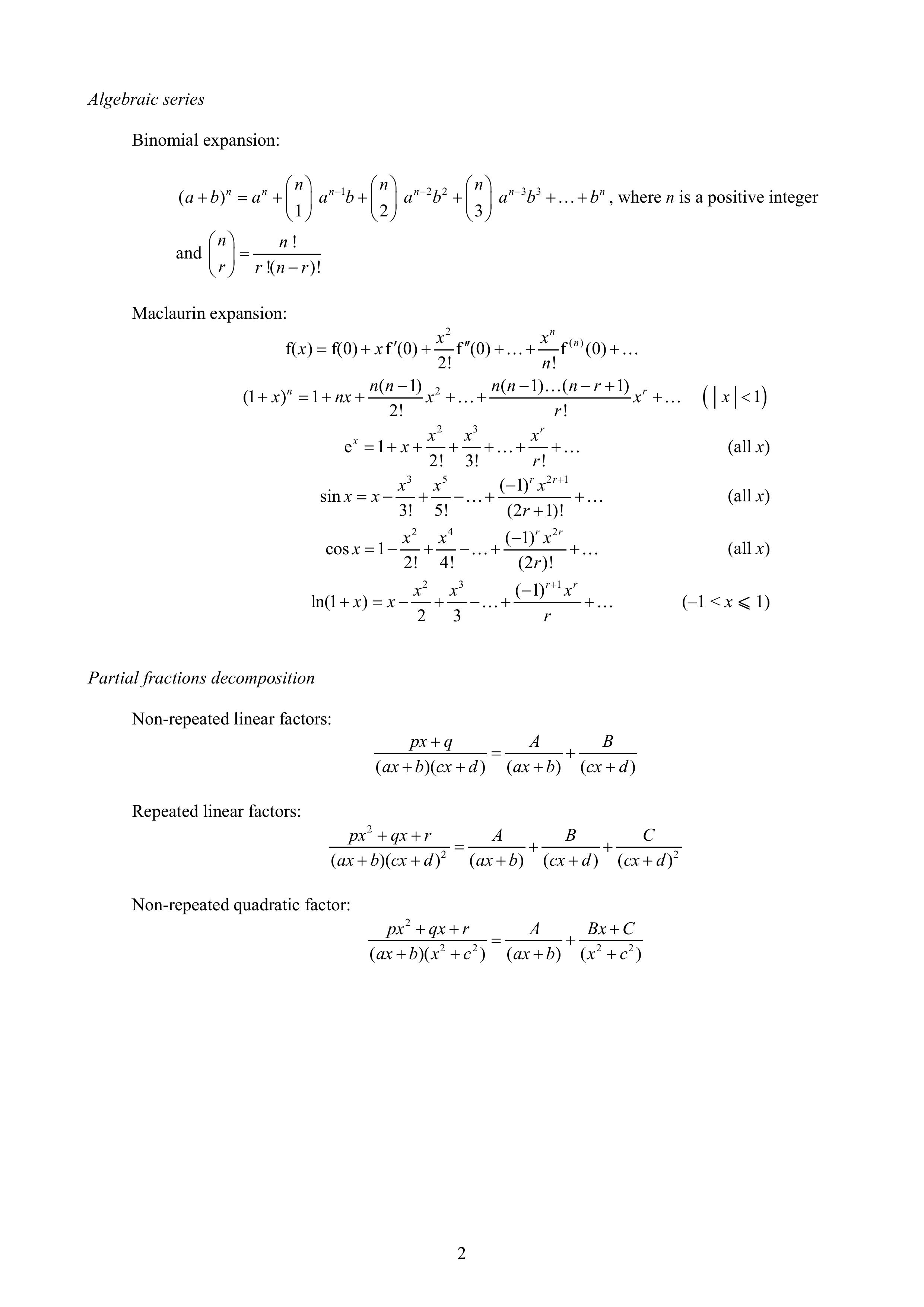

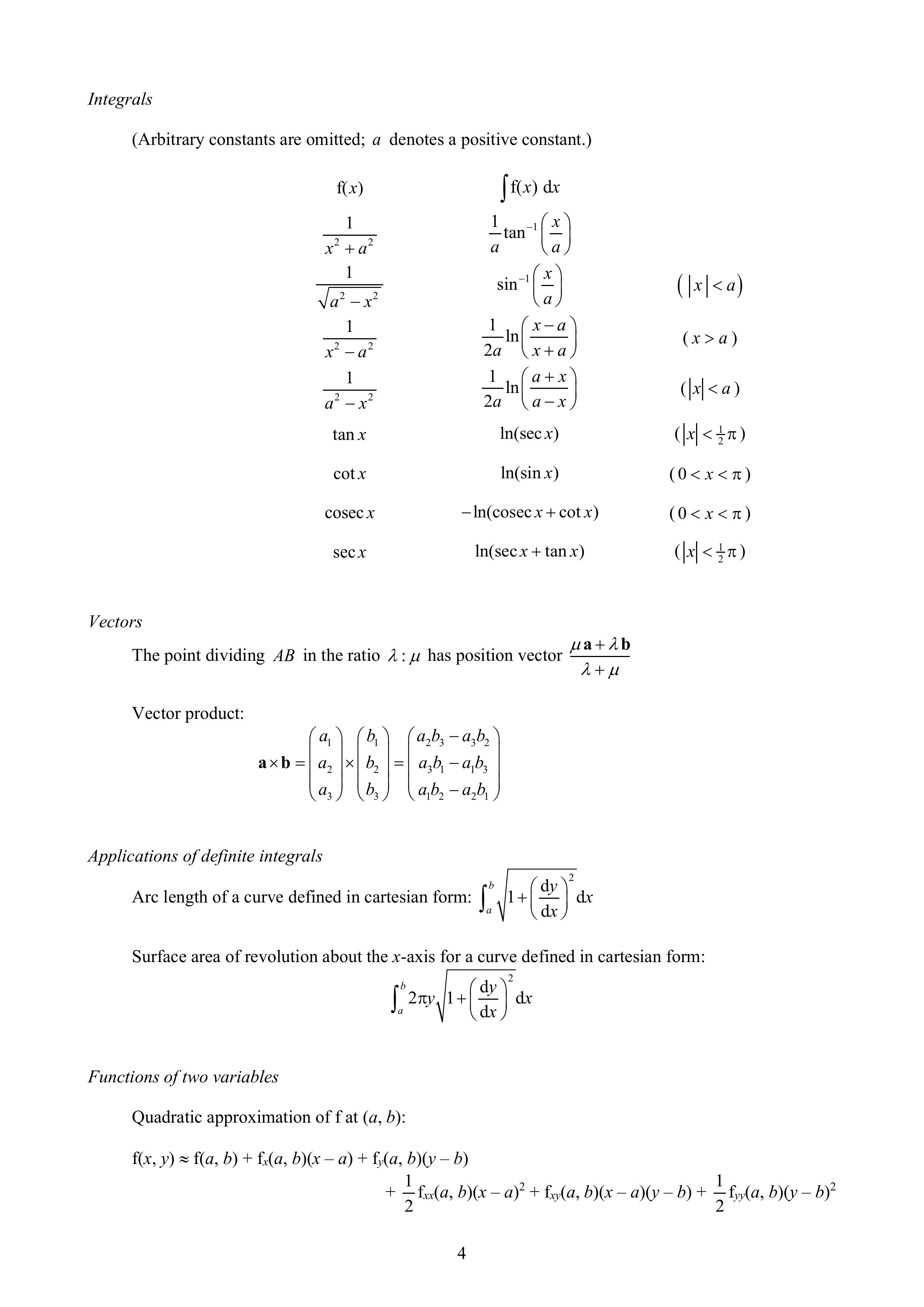
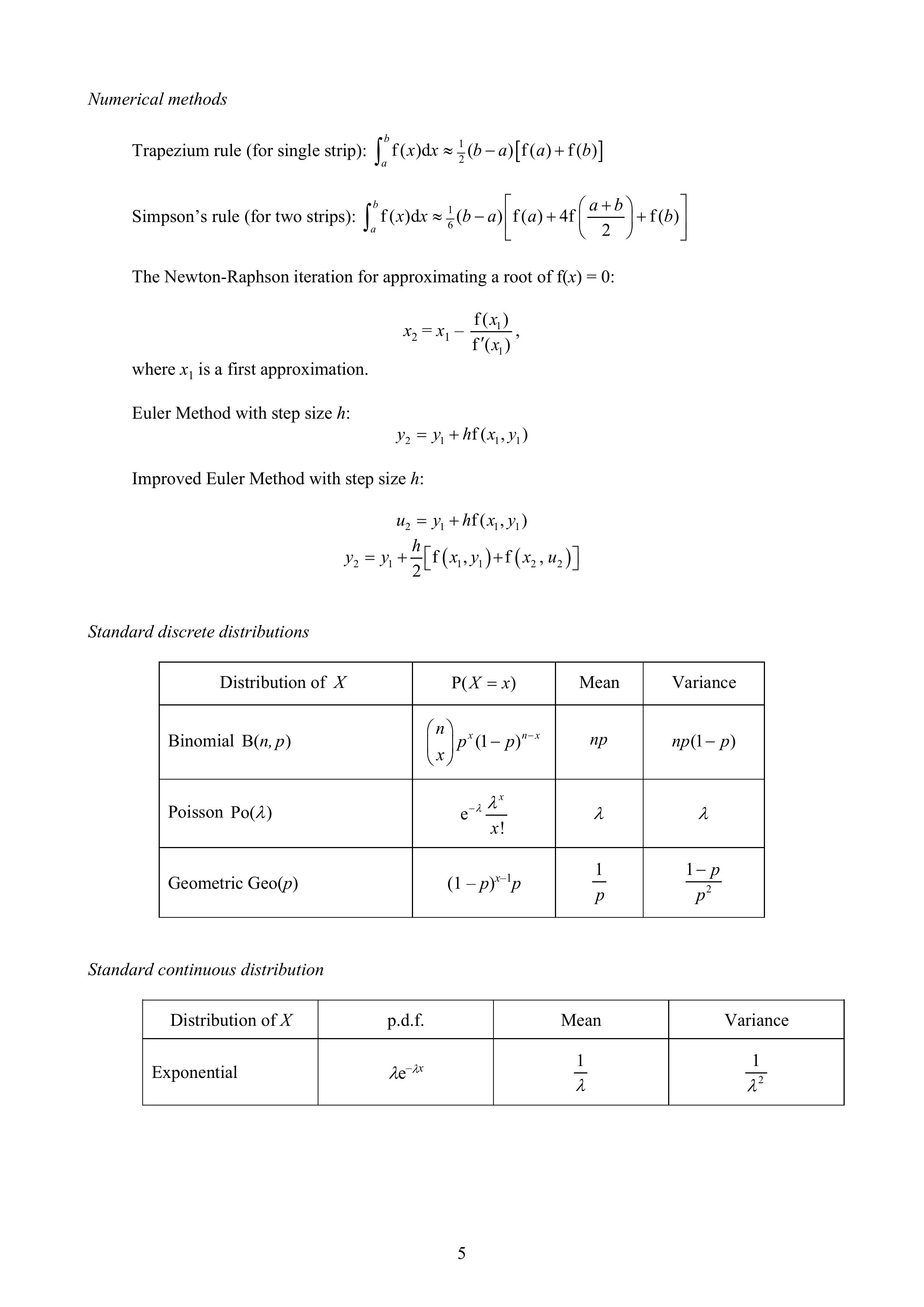


What Is the A Level Chemistry Data Booklet?
The Chemistry Data Booklet is an official reference resource issued by the Ministry of Education (MOE) for students taking Chemistry in the Singapore-Cambridge GCE A Level examinations 1. A copy is provided at the start of each Chemistry paper where it is required.
It contains essential chemical data, formulae, the periodic table, and other relevant information that students can refer to during the exam. By learning how to use the Chemistry Data Booklet effectively, students will be able to find the information they need quickly, use their time more effectively, and approach exam questions with greater confidence.
What Does the Chemistry Data Booklet Include?
The Chemistry Data Booklet contains key formulae, chemical data, constants, and reference information, including:
How to Use the Chemistry Data Booklet Effectively in Your Exams
Many students underestimate the importance of knowing how to use the Chemistry Data Booklet effectively. While the information is provided during the examination, knowing where to find key data and how to interpret it can make a significant difference in your exam preparation and performance.
Here are a few practical tips to help you use the booklet effectively:
- Familiarise yourself with the layout: Know where the important sections, such as formulae, ionisation energies, standard electrode potentials, and spectroscopy data, are located.
- Practise using it during revision: Refer to the data booklet when doing practice questions so that using it becomes second nature during exams.
- Know what information is available: Understand which values and data are provided so you avoid wasting time searching for information that is not included.
- Do not rely on the booklet alone: The data booklet supports your understanding but does not replace the need to know key concepts, reactions, and equations.
Common Mistakes Students Make When Using the Chemistry Data Booklet
While the Chemistry Data Booklet is a useful reference tool, using it incorrectly can lead to wasted time and avoidable errors. By recognising common mistakes and learning how to navigate the booklet effectively, you can make better use of the information provided and approach exam questions with greater confidence.
Here are some of the most common mistakes to avoid:
- Not knowing the booklet layout: Spending too much time flipping through pages can reduce the time available for solving questions. Familiarise yourself with where important sections are located before the exam.
- Using the wrong values or data: Always check that you are referring to the correct table, units, and conditions before applying any information.
- Failing to interpret the information provided: The booklet provides data, but students still need to understand how to apply it in different contexts and questions.
- Only using the booklet during exams: Practising with the booklet during revision helps build familiarity and prevents delays when under exam conditions.

Build Confidence in A Level Chemistry With Zenith
Here at Zenith, our world-class teachers have a proven track record of helping students excel in their A Level Chemistry exams. Through meticulously structured lessons, curated notes, and targeted drills, our teachers identify individual learning gaps and work closely with students to clarify difficult concepts, develop effective problem-solving skills, and hone clear answering techniques.
FAQs: A Level Chemical Data and Formulae
References
Hear From Our Students
Discover firsthand success stories from our accomplished alumni who have thrived with us!

"Duncan is a super super caring teacher who puts his all in his students!! He goes through content in depth beyond A level content sometimes to spark our interest in physics and his enthusiasm in teaching is very infectious! Not only is he good at explaining concepts and going through questions, he is extremely patient and does not leave anyone behind in the classroom."


"While Zenith’s notes are much better than my school's, it was truly my tutor who got me from a U to A grade. He is someone I truly respect. Not only was he very approachable, he made sure that we really absorbed what we needed, and was always willing to stay way past our lesson timings to clarify any of our questions."

"After joining Zenith Bio, my grades improved drastically from an S to an A in A Level’s! Bio is so much more than regurgitation and requires a firm understanding of the subject in order to ace A Levels — I was super glad that I was able to text my friendly tutor with any questions I had!! Getting treated to welfare during bio lessons also really helped me to focus throughout the lesson. 🥤"

"Attending Zenith's General Paper tuition with my tutor Hui Ying was a game-changer for me. Zenith provided the structure I needed and introduced me to formulas for answering GP questions I didn't know existed. Their tactics, gradually instilled, became second nature, leading to marked improvement."

"With the huge academic transition to JC, I was unable to cope with my studies and constantly scored an S for my exams. After joining the crash courses held by Zenith in June, I decided to sign up for their chemistry class! My tutor is an extremely helpful teacher and his teachings were concise and easy to understand which greatly helped me clear up any misconceptions I had."

"Mandy helped me learn to appreciate Math! Her explanations of answering techniques and methods are so helpful and easy to follow. The practices we did in class helped me to familiarise myself with the common questions tested in exams and I felt more confident stepping into the exam hall."


